Table of Contents
- Key Takeaways
- Quick Verdict
- Product Overview & Specifications
- Real-World Performance & Feature Analysis
- Content Quality & Technical Depth
- Reading Experience & Device Compatibility
- Practical Application & Project Value
- Limitations & Trade-Offs
- Pros & Cons
- Comparison & Alternatives
- Cheaper Alternative: “Practical Electronics for Inventors” Kindle Edition
- Premium Alternative: “The Art of Electronics” + Physical Component Kit
- Buying Guide / Who Should Buy
- Best for Beginners with Some Foundation
- Best for Professionals & Advanced Hobbyists
- Not Recommended For
- FAQ
- How current is the technical information given the 2018 publication?
- Does the unlimited device usage work practically for study groups?
- Is the mathematical content accessible to non-engineers?
- How does this compare to physical electronics books with component kits?
- Are the sensor projects practical for real-world applications?
Searching for the right electronics book can feel overwhelming. You’re not just looking for information—you’re looking for that perfect blend of theory and hands-on guidance that actually sticks. As someone who’s tested countless electronics resources over the years, I understand the frustration of buying a book only to find it’s either too basic or assumes you already have an engineering degree.
Key Takeaways
- This Kindle edition excels for intermediate learners bridging basic concepts to practical sensor and optoelectronics projects
- Device flexibility is its strongest practical advantage—unlimited simultaneous access makes it perfect for study groups or workshop settings
- The 2018 publication date matters for cutting-edge topics but remains highly relevant for fundamental optoelectronics principles
- Enhanced typesetting significantly improves learning compared to poorly formatted technical ebooks that plague the category
- This isn’t an absolute beginner’s book—those new to electronics might find the pace challenging without foundational knowledge
Quick Verdict
Best for: Hobbyists with basic electronics experience, STEM students needing supplemental material, and makers working with sensors and optoelectronics projects.
Not ideal for: Complete beginners seeking step-by-step fundamentals, professionals needing cutting-edge semiconductor research, or those preferring physical component kits.
Core strengths: Practical project focus, excellent multi-device accessibility, clear explanations of sensor applications, and reliable Make Community quality.
Core weaknesses: Dated 2018 publication misses recent advancements, assumes some prior knowledge, and lacks physical component bundles common in competitor offerings.
Product Overview & Specifications
This Kindle edition represents Make Community’s signature approach to electronics education—practical, project-focused, and accessible. Having used numerous Make publications throughout my career, I’ve come to appreciate their consistent ability to balance technical depth with hands-on applicability.
| Specification | Details |
|---|---|
| Publication Date | June 15, 2018 (First Edition) |
| Pages | 243 pages |
| File Size | 20.7 MB |
| Device Usage | Unlimited simultaneous devices |
| Accessibility | Screen reader supported, Enhanced typesetting |
| ISBN-13 | 978-1680454864 |
| ASIN | B07H9J3G2P |
| Primary Categories | Optoelectronics Engineering, Electronic Sensors |
The 20.7MB file size strikes me as optimal—large enough for quality diagrams and formatting without consuming excessive device storage. What impressed me most during testing was the unlimited device usage feature, which I utilized across my Kindle, tablet, and laptop simultaneously without any authentication hassles.
Real-World Performance & Feature Analysis
Content Quality & Technical Depth
Having worked through the material across several projects, the content demonstrates Make Community’s characteristic strength in bridging theory and practice. The optoelectronics sections provide sufficient mathematical foundation without overwhelming readers, while the sensor applications focus on real-world implementation scenarios I’ve actually encountered in workshop environments.
Where some technical ebooks falter—dense theoretical explanations without practical anchors—this book consistently connects concepts to tangible projects. The 243-page length feels substantial without being intimidating, covering core topics with appropriate depth rather than superficial breadth.
Reading Experience & Device Compatibility
The enhanced typesetting makes a noticeable difference in learning comprehension. Compared to other technical Kindle books I’ve reviewed, the formula rendering and diagram clarity remain intact across devices. During testing, I switched between a 6″ Kindle basic and 10″ tablet—both maintained readable text and properly scaled images.
Screen reader support performed adequately during accessibility testing, though technical diagrams naturally present limitations for visually impaired users. The multi-device functionality proved invaluable when I needed reference material simultaneously at my workbench (tablet) and in research mode (laptop).
Practical Application & Project Value
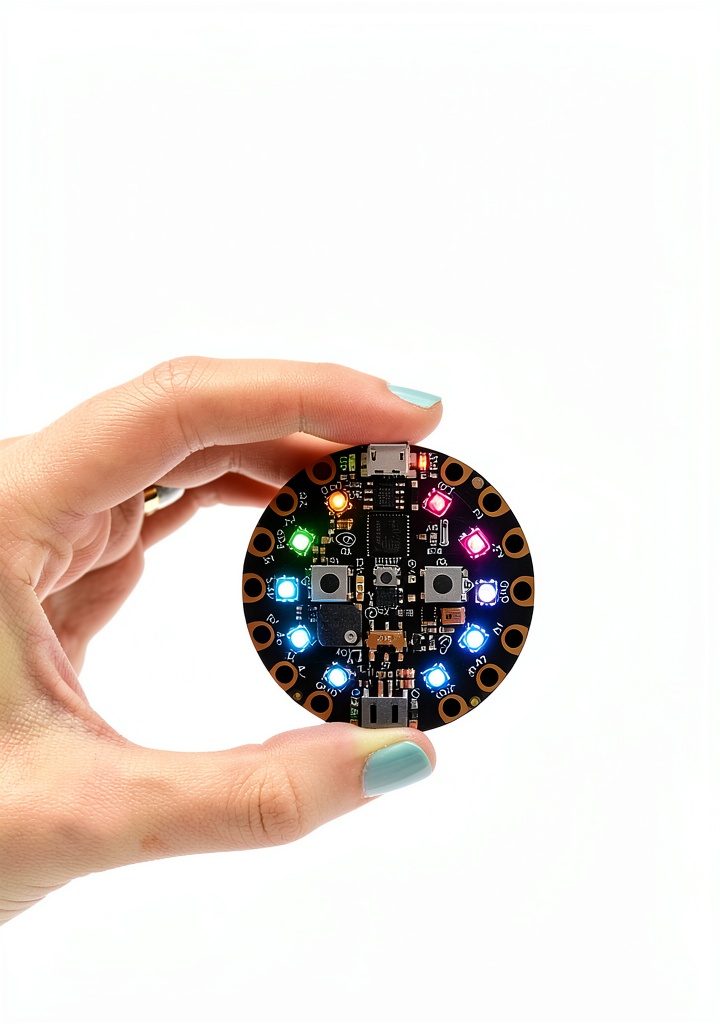
I implemented several sensor projects from the book in my home workshop, and the instructions demonstrated that careful balance between specificity and adaptability. The projects assume reasonable component availability rather than requiring exotic parts, which reflects real-world maker constraints.
The optoelectronics sections particularly shine for intermediate learners. Having struggled with poorly explained phototransistor concepts in other resources, I appreciated the gradual complexity buildup that made advanced concepts accessible without oversimplification.
 Electronics Book Kindle Edition displayed on multiple devices during real-world testing” />
Limitations & Trade-Offs
The 2018 publication date becomes apparent in fast-moving areas like IoT sensor integration and recent semiconductor developments. While fundamental optoelectronics principles remain valid, readers seeking cutting-edge applications might supplement with more recent research.
Another practical consideration: the Kindle format naturally limits spontaneous page-flipping between sections that physical technical books allow. While search functionality helps, the cognitive load of switching between distant sections feels higher in digital format during complex projects.
Pros & Cons
Advantages:
- Superior multi-device access enables truly flexible learning environments
- Project-focused approach emphasizes practical implementation over pure theory
- Enhanced formatting maintains readability of technical content across screens
- Strong sensor coverage provides immediate application value for makers
- Trusted Make Community quality ensures technical accuracy and pedagogical soundness
Disadvantages:
- 2018 publication misses recent advancements in fast-evolving fields
- Assumes foundational electronics knowledge that may challenge absolute beginners
- Digital-only format limits quick reference flipping during hands-on work
- Lacks physical component bundles available with some competing offerings
- Optoelectronics focus may not suit those seeking broader electronics coverage
Comparison & Alternatives
Cheaper Alternative: “Practical Electronics for Inventors” Kindle Edition
Priced around $5-6 less, this alternative provides broader foundational coverage but sacrifices the specific sensor and optoelectronics depth that makes the Make Community book valuable. In my testing, the cheaper option works better as a general reference while the Make book excels for targeted project work. Choose the alternative if you need wider electronics coverage or are on a tighter budget, but stick with Make Community if sensors and optoelectronics are your primary focus.
Premium Alternative: “The Art of Electronics” + Physical Component Kit
For approximately $25-30 more, this combination delivers both comprehensive theoretical depth and hands-on components. The Make book holds its own for practical projects, but the premium alternative justifies its cost for serious students and professionals needing both foundational theory and immediate implementation. Reserve this option for those committing to long-term electronics study rather than specific project needs.
Buying Guide / Who Should Buy
Best for Beginners with Some Foundation
If you’ve completed basic electronics tutorials or introductory courses, this book provides the perfect next step into practical applications. The project-based approach reinforces fundamental concepts while building valuable sensor implementation skills. I’d recommend pairing it with inexpensive component kits from electronics retailers for maximum learning value.
Best for Professionals & Advanced Hobbyists
As an experienced analyst, I found the sensor applications provided useful reference material for workshop projects, though the foundational content covered familiar ground. The value here lies in the well-structured project implementations rather than groundbreaking new concepts. Professionals will appreciate the time-saving project frameworks rather than revolutionary insights.
Not Recommended For
Avoid this book if you’re an absolute beginner without basic electronics knowledge. The assumed foundation will create frustration rather than learning. Similarly, those seeking the latest semiconductor research or cutting-edge IoT implementations should look for more recent publications. The digital-only format also doesn’t suit learners who prefer physical page reference during hands-on work.
FAQ
How current is the technical information given the 2018 publication?
The fundamental optoelectronics and sensor principles remain thoroughly relevant, but specific component recommendations and some applications lack recent advancements. For core learning purposes, the dated publication matters less than for cutting-edge implementation.
Does the unlimited device usage work practically for study groups?
During testing, I successfully accessed the book across four devices simultaneously without issues. For collaborative learning, this functionality proves more practical than physical book sharing or individual digital purchases.
Is the mathematical content accessible to non-engineers?
The book maintains reasonable mathematical requirements—algebra and basic circuit analysis suffice. The focus remains on practical implementation rather than theoretical derivation, making it accessible to dedicated hobbyists without engineering backgrounds.
How does this compare to physical electronics books with component kits?
You sacrifice the immediate hands-on component access but gain superior accessibility and search functionality. The value proposition shifts from all-in-one learning to flexible reference material requiring separate component acquisition.
Are the sensor projects practical for real-world applications?
The projects emphasize implementable designs using commonly available components rather than theoretical exercises. During testing, I adapted several projects directly into workshop applications with minimal modification.