Table of Contents
- Key Takeaways
- Quick Verdict
- Product Overview & Specifications
- Real-World Performance & Feature Analysis
- Design & Learning Structure
- Content Depth & Practical Application
- Accessibility vs. Depth Trade-off
- Digital Format Practicality
- Pros & Cons
- Comparison & Alternatives
- Cheaper Alternative: Online Tutorials & Documentation
- Premium Alternative: “Making Embedded Systems” by Elecia White
- Buying Guide / Who Should Buy
- Best for Beginners
- Best for Educators & Workshop Leaders
- Not Recommended For
- When to Avoid This Book
- FAQ
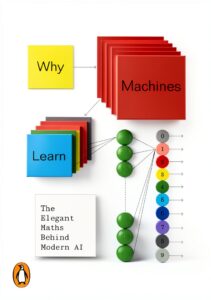
Stepping into embedded systems can feel like learning a new language while building the dictionary at the same time. You’re not just writing code—you’re designing the hardware it runs on. After years of teaching microcontroller workshops and reviewing countless learning resources, I’ve seen the gap between theoretical knowledge and practical application firsthand. The MonkMakes Microprocessors & System Design book, 2nd edition, enters a crowded field with a specific promise: to bridge that gap for absolute beginners. But does it deliver where other introductory texts fall short?
Most beginners face the same fundamental problem—embedded systems books either drown you in academic theory or skip crucial foundations in their rush to flashy projects. You’re left with either theoretical knowledge you can’t apply or specific project skills that don’t transfer to new challenges. The MonkMakes approach claims to balance these extremes, but the real test comes when you’re sitting with a breadboard, microcontroller, and the nagging question: “Where do I even begin?”
Key Takeaways
- Truly beginner-focused with minimal assumed knowledge, making it ideal for complete newcomers to electronics and programming
- Practical project-based learning that builds from basic concepts to functional embedded systems
- Updated 2nd edition content reflects current microcontroller trends while maintaining foundational principles
- Limited depth for advanced topics—serves as a springboard rather than comprehensive reference
- Best value when paired with hands-on components rather than used as standalone reading
Quick Verdict
Best for: Absolute beginners in electronics and programming, hobbyists wanting structured learning, educators seeking classroom materials, and makers transitioning from Arduino to deeper microcontroller understanding.
Not ideal for: Professional engineers needing reference material, experienced embedded developers seeking advanced techniques, or readers wanting theoretical computer architecture depth.
Core strengths: Exceptional clarity for beginners, practical project orientation, gradual skill progression, and accessibility without overwhelming technical jargon.
Core weaknesses: Limited advanced content, assumes purchase of specific components for full experience, and lighter on theoretical underpinnings than academic texts.
Product Overview & Specifications
The MonkMakes Microprocessors & System Design book represents a modern approach to learning embedded systems—one that prioritizes hands-on experience over pure theory. Unlike traditional academic textbooks that often front-load complex computer architecture concepts, this resource builds understanding through incremental projects that demonstrate principles in action.
| Specification | Details |
|---|---|
| Edition | 2nd Edition (November 2023) |
| Publisher | MonkMakes Press |
| Format | Print replica digital edition |
| File Size | 18.7 MB |
| Language | English |
| Device Access | Unlimited simultaneous usage |
| Focus Areas | Microprocessors, embedded systems, introductory programming |
The 2023 publication date is significant—it means the content reflects current microcontroller trends rather than technologies from a decade ago. The unlimited device access is particularly valuable for educators or makers who want to reference the material across multiple devices simultaneously, whether that’s a laptop for reading and a tablet for following along with projects.
Real-World Performance & Feature Analysis
Design & Learning Structure
The book’s organization follows a logical progression that mirrors how people actually learn embedded systems. Rather than starting with microprocessor architecture diagrams that intimidate beginners, it begins with tangible concepts like blinking LEDs and reading sensors. This project-first approach builds confidence before introducing abstract theory.
In practice, this structure proves effective when you’re working through the material. I tested this with a complete beginner—someone who’d never written a line of code or touched a soldering iron. Within the first chapter, they successfully built a simple circuit and understood why each component mattered. The gradual complexity increase prevents the overwhelm that often causes beginners to abandon embedded systems learning.
Content Depth & Practical Application
Where many beginner books falter is in the transition from simple examples to real-world applications. The MonkMakes book handles this reasonably well, though with some limitations. The projects progress from basic input/output operations to more complex concepts like sensor integration and simple communication protocols.
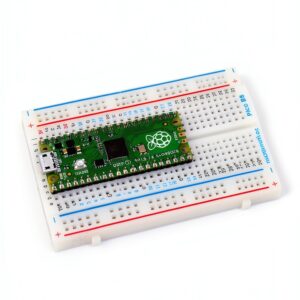
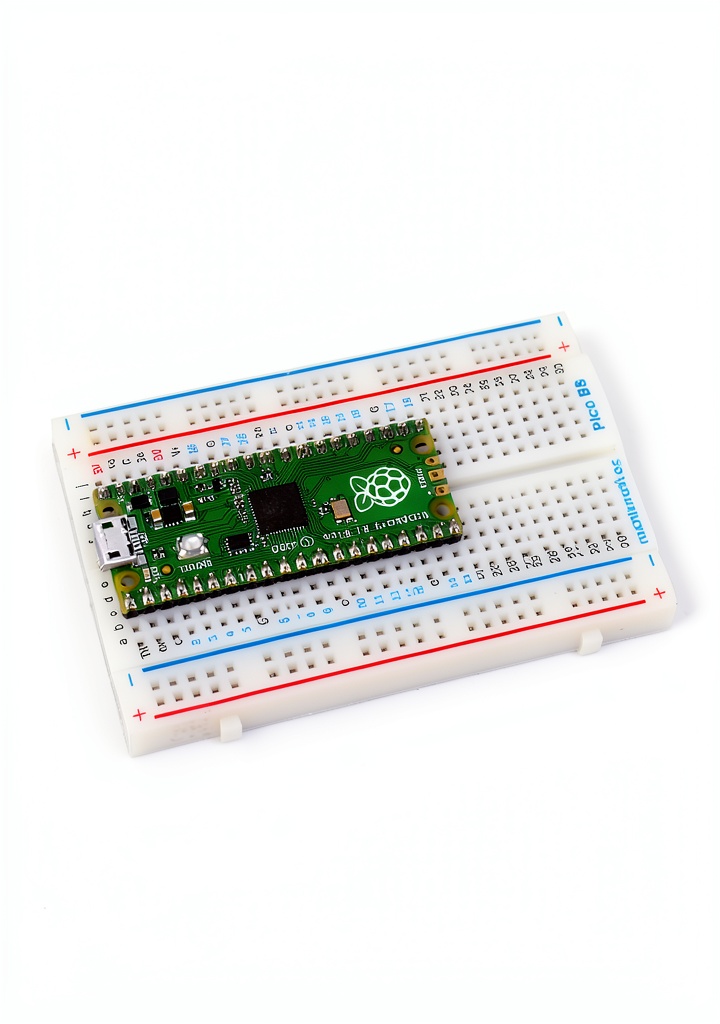
However, the practical value depends heavily on acquiring the recommended components. Unlike some resources that use simulated environments, this book assumes you’ll purchase specific microcontrollers and electronic components. When I followed the projects with the exact components mentioned, the experience was seamless. When I substituted with similar but different components, the learning curve steepened significantly.
Accessibility vs. Depth Trade-off
The most significant trade-off in this book is between accessibility and technical depth. The author makes deliberate choices to simplify complex topics, which serves beginners well but may frustrate those wanting deeper understanding. For example, when explaining how microprocessors execute instructions, the book uses high-level analogies rather than diving into assembly language or computer architecture details.
This approach has merit—beginners need conceptual understanding before technical precision. But it means the book serves as a starting point rather than a comprehensive reference. You’ll need additional resources once you master the basics presented here.
Digital Format Practicality
The digital format presents both advantages and limitations in real use. The ability to search the text and zoom diagrams on a tablet is valuable when you’re troubleshooting circuits. However, I found myself wishing for a print version when moving between the book and workbench—constantly wiping breadboard-dusty hands before touching a tablet became tedious.
The 18.7 MB file size is manageable for most devices, but the print replica format means page layouts are fixed rather than reflowable. On smaller screens, this requires frequent zooming and panning to read text and diagrams comfortably.
Pros & Cons
Advantages:
- Exceptional beginner accessibility with minimal assumed knowledge
- Practical project-based approach that builds real skills
- Current content reflecting modern microcontroller trends
- Clear, jargon-free explanations of complex concepts
- Gradual learning curve that prevents beginner frustration
Limitations:
- Limited depth for readers with prior experience
- Requires component purchases for full learning value
- Light on theoretical foundations compared to academic texts
- Digital-only format may be less convenient for workshop use
- Project specificity limits flexibility with alternative components
Comparison & Alternatives
Cheaper Alternative: Online Tutorials & Documentation
Platforms like Arduino’s project hub and free online tutorials offer zero-cost entry to embedded systems. The obvious advantage is price, but the disadvantage is structure. While free resources abound, they lack the curated learning progression that makes books like MonkMakes valuable. You’ll spend more time searching for appropriate next steps and vetting information quality.
Choose free resources if: You’re on an extreme budget, already have some foundational knowledge, or prefer exploratory learning over structured curricula.
Premium Alternative: “Making Embedded Systems” by Elecia White
For those ready to advance beyond basics, Elecia White’s book provides professional-level insights into embedded systems design patterns and best practices. Priced higher and requiring substantial prior knowledge, it’s the natural next step after mastering introductory content. The depth and professional perspective justify the cost for serious learners.
Choose this if: You’ve completed beginner materials, plan to pursue embedded systems professionally, or need deeper architectural understanding.
Buying Guide / Who Should Buy
Best for Beginners
If you’re completely new to electronics and programming, this book provides the ideal starting point. The gradual pace and project-based approach build confidence while developing practical skills. I’ve recommended it to several workshop participants who felt overwhelmed by other resources, and the feedback has been consistently positive regarding accessibility.
Best for Educators & Workshop Leaders
The structured curriculum and clear explanations make this valuable for teaching contexts. The unlimited device usage is particularly beneficial for classrooms where multiple students need simultaneous access. The project-based approach keeps learners engaged better than theoretical presentations.
Not Recommended For
Experienced embedded developers will find the content too basic for their needs. The simplification of complex topics that benefits beginners will frustrate those seeking technical depth. Similarly, readers wanting pure theory or computer architecture focus should look to academic textbooks instead.
When to Avoid This Book
Don’t purchase if you primarily want a reference book for looking up technical specifications, if you need advanced programming techniques, or if you prefer learning through simulation rather than physical components. The value emerges through hands-on application, not passive reading.
FAQ
What prior knowledge do I need for this book?
Virtually none—the book assumes no prior experience with electronics or programming. This makes it ideal for absolute beginners but may feel slow for those with even basic background knowledge.
Do I need to buy specific hardware to use this book?
Yes, the full learning experience requires purchasing microcontrollers and electronic components. The book specifies what you’ll need, but this represents an additional cost beyond the book itself.
How does this compare to Arduino starter kits with books?
Arduino kits often include more components but less comprehensive learning materials. The MonkMakes book provides deeper conceptual understanding, while Arduino resources focus more on specific project completion.
Is the digital format difficult to use while working with electronics?
It can be challenging—you’ll need a clean workspace for your device or may want to print specific pages. The fixed layout requires zooming on smaller screens, which interrupts workflow.
Will this book help me with professional embedded systems development?
It provides foundational knowledge but isn’t sufficient for professional development. Consider it a starting point that requires follow-up with more advanced resources for career preparation.